

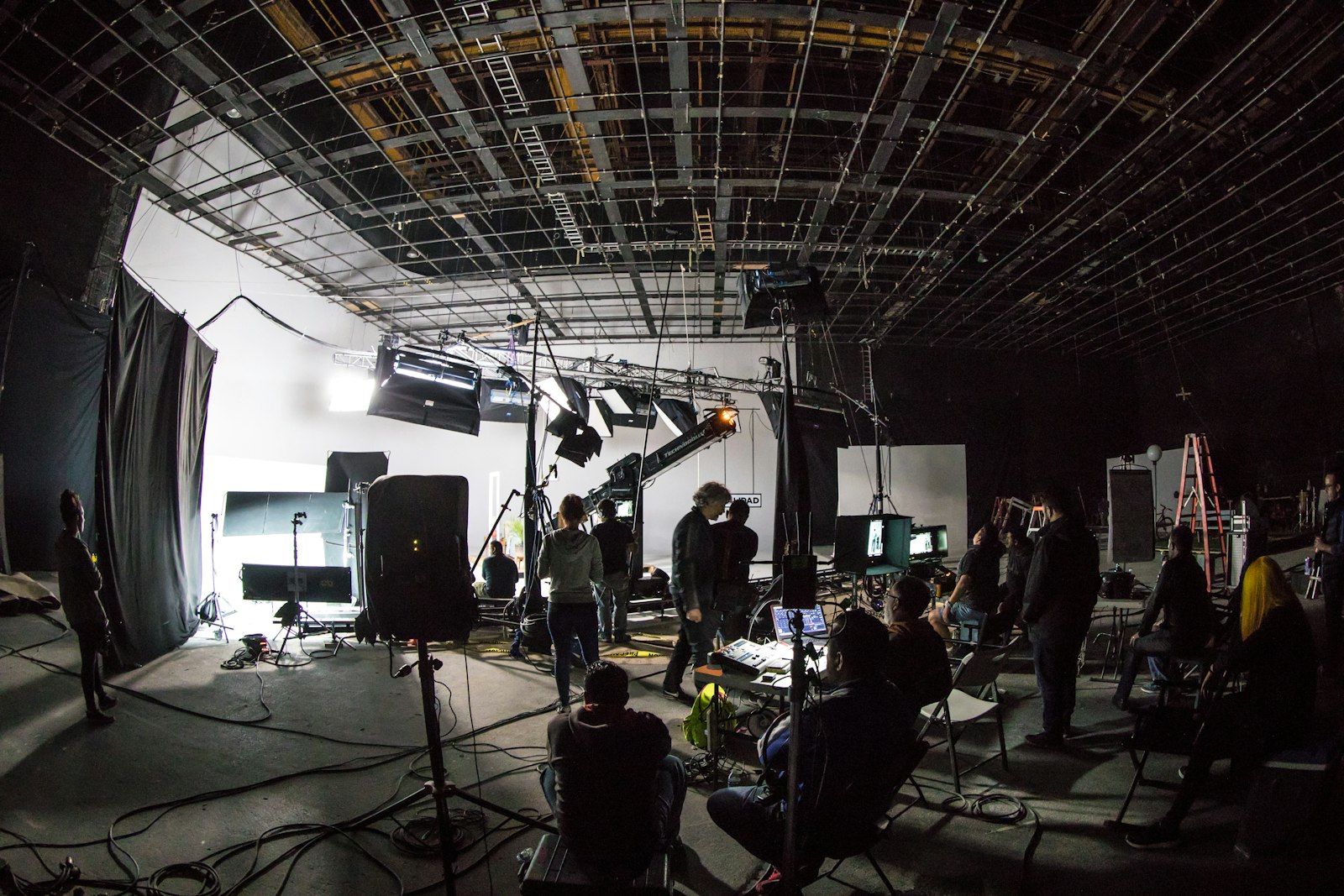
Higgsfield wants to take AI video beyond the format of short individual clips. In an OpenAI customer story published on October 13, 2026, the company says GPT-6 Astra allows it to create videos longer than ten minutes. For small production teams, the most interesting part is how an agent connects images, scenes, and additional tools into a coherent workflow.
Key takeaways
- Higgsfield cites more than ten minutes as a possible length for its AI-assisted videos. This is a company claim rather than an independent comparative test.
- GPT-6 Astra handles planning and tool calls in the described workflow. The announcement does not establish a single, uninterrupted ten-minute generation.
- Higgsfield offers a chat interface for creative workflows through Supercomputer and publishes guidance on keeping characters consistent.
- Voice-directed filmmaking appears in the announcement as a future vision. General access, specific costs, and the quality of the longer workflow are not fully established by it.
The video gets longer through a production workflow
Higgsfield CEO and co-founder Alex Mashrabov says in the OpenAI report that videos had previously run approximately one minute. He cites the company’s own instructional videos as an example of its new workflow. Creative agents can handle repetitive tasks and call external tools for more complex work such as 3D modeling. This is intended to help maintain visual consistency across a longer film.
That description differs from a claim that a language model directly produces a finished film through a single video model. The agent organizes production steps and connects their outputs. For users, that can still represent a substantial simplification: They have less material to transfer between applications and fewer decisions to explain again in each tool. The advance here lies in coordinating production.
Higgsfield’s current guide to scenes involving two characters also illustrates why total running time should not be equated with the length of a single clip. It describes multi-shot clips of up to 30 seconds in Cinema Studio 4.0. That does not contradict a longer finished video: A film can consist of many such shots. The new ten-minute claim alone says little about how well transitions, characters, and storytelling hold together across the entire running time.
An explainer video also needs another kind of consistency. The images must match the narration, terminology should not shift between scenes, and a later section should not contradict the introduction. A longer export therefore first represents a production opportunity. Whether it produces an understandable video also depends on the script and how it is executed.
How to explore the approach
One starting point is Higgsfield’s publicly visible Supercomputer interface. It displays different creative templates and styles for explainer videos. The product guide describes the basic workflow: Users explain their project in everyday language, and the agent breaks it into steps and proposes suitable tools. Before generating content, it should display the required credits and wait for approval. Credits are the service’s internal usage units.
Anyone exploring the approach should start with a clearly defined deliverable. A possible brief would be a short explainer video about a familiar product, with a specified audience, visual style, and central message. The script, planned scenes, and reference images can then be reviewed before rendering. This example is an editorial suggestion for getting started, rather than a workflow we have tested or a promise that every plan includes every tool.
The vendor’s Academy also includes a course section on generating a complete ten-minute video. Its described example comprises many scenes in a consistent style. The vendor’s claim that the result looks convincing throughout does not replace reviewing it yourself. For readers, the course mainly indicates that Higgsfield explains longer production as the interaction of a script, scenes, and recurring visual design.
This may be particularly relevant to small teams producing tutorials, training material, or campaign drafts. They benefit when an agent takes over time-consuming handoffs between production steps. Additional maximum length offers little advantage for a short social clip, however. The task matters more than using the longest possible running time.
Characters need references, claims need sources
The guide to two characters highlights a practical limitation: Identities can blend, clothing and objects can move between people, or proportions can drift across shots. Higgsfield therefore recommends separate reference sheets for each character and clear assignments in scene descriptions. Even these references do not eliminate small changes under extreme camera angles or major style shifts, according to the vendor.
For a project, that means recurring characters and important objects should be defined in advance. It is then worth examining transitions specifically instead of selecting only the most attractive individual shot. Training videos also require factual review. Readable labels are useful, but they do not establish that a displayed number or explanation is correct.
The origin of the material also deserves attention when videos are shared. Our overview of checking AI images and videos with SynthID explains a separate approach to watermark detection. It does not establish that every Higgsfield output can be checked using that method.
The next hurdle is a useful finished film
The customer story also names GPT-Image-2.5 for more precise images and describes voice-directed filmmaking with GPT-Live-1 as a future ambition. Turning an idea immediately into a film while speaking remains a vision here. The report provides neither a firm general launch date nor a complete list of prices and access requirements for the longer production workflow.
Higgsfield’s announcement is therefore most interesting to people who need more than one impressive shot. Agents can help turn many generations into a coherent project. The useful yardstick is ultimately a film ready for publication: clearly told, visually understandable, and produced with an amount of effort appropriate to the task.