

RTX Spark in First Tests: Where Nvidia’s Laptop Chip Handles Local AI
First RTX Spark measurements: half the time of a MacBook Pro on AI agent tasks, but not ahead on raw output from large models. Who the chip is worth it for.
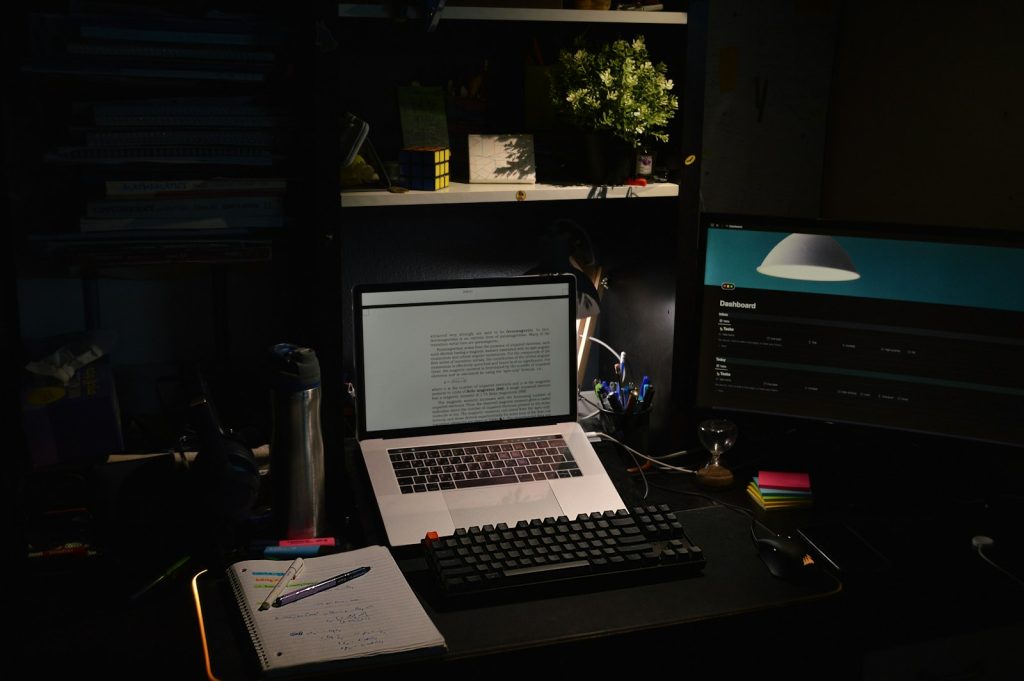
First RTX Spark measurements: half the time of a MacBook Pro on AI agent tasks, but not ahead on raw output from large models. Who the chip is worth it for.

Study from Google Research, MIT and Harvard: AI models spot flaws but often leave them out of reports. One sentence in the prompt helps. How to use the finding.

Replit prefers OpenAI while keeping Claude available. What Free, Power, and Max mean for model choice, and how to make a useful project comparison.
Claude reconstructs the origins of historical NIST seeds. What the finding explains about digital signatures, and why it does not break encryption.

A Cologne court bars Snap from using conversations with its My AI chatbot for ads without consent. What the ruling means for users and AI providers.

McKinsey is testing simulated AI clients in interviews. What humans assess, how this differs from eligibility screening, and what preparation is allowed.
ChatGPT’s Chrome extension now reads your open tabs and fills out forms in Work mode. Here is how to set it up and which permissions you should know about.
Grok Voice 3.0 improves on simulated service tasks. What its voice benchmarks measure, how developers can get started, and what API pricing covers.
TheoPhysEval reports strong AI results on theoretical physics calculations. What 49 solved problems mean, and how researchers can reproduce the evaluation.

The AI week: Anthropic reports $16.8 billion in quarterly revenue, eight US states sue OpenAI, Meta’s Muse builds profiles, and Gemini 4 Argon rolls out.