

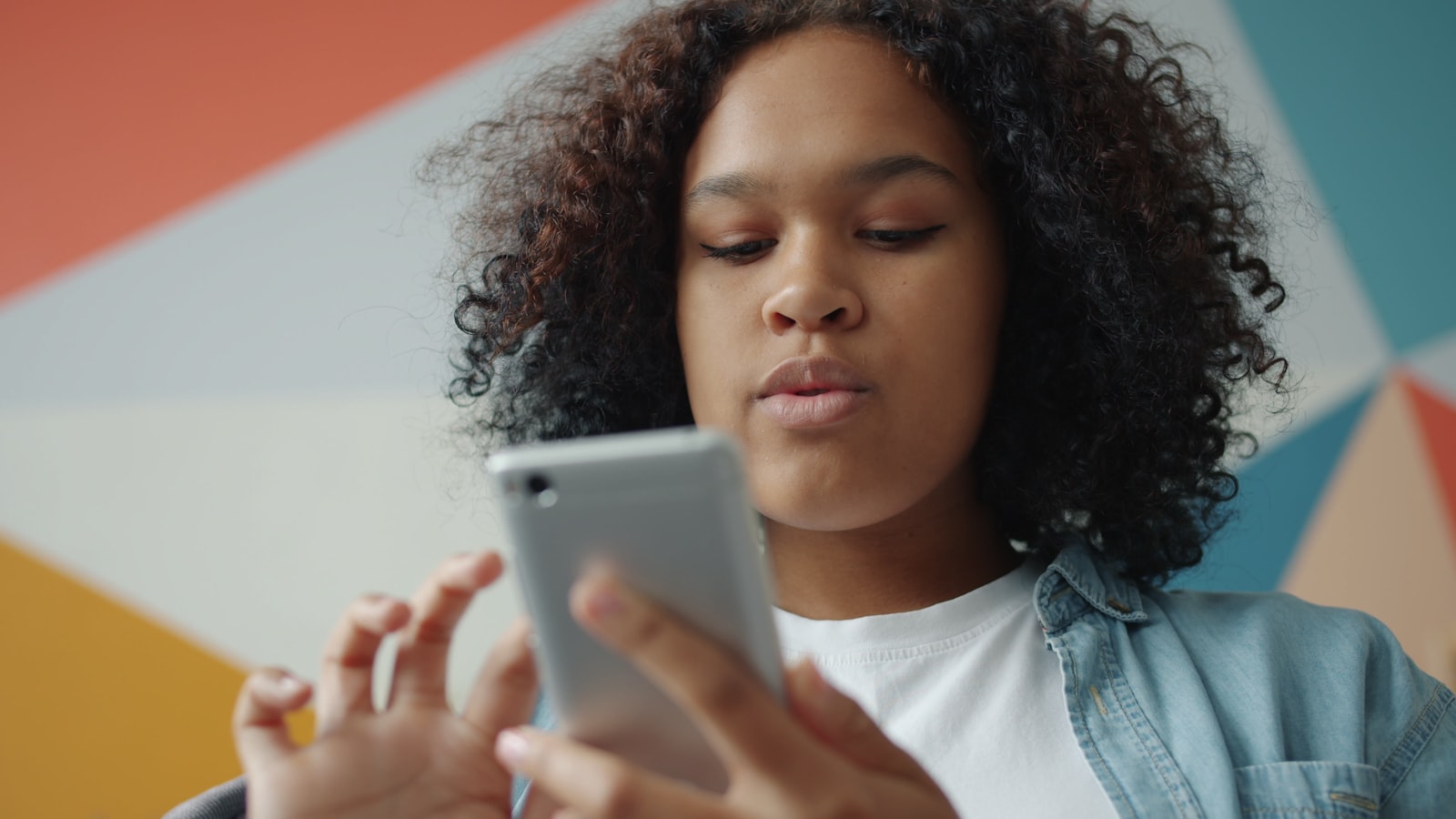
ChatGPT is meant to become more than the same app with a note for parents when used by people ages 13 to 17. OpenAI is launching ChatGPT for Teens, a separate experience that is supposed to activate automatically when a user states, or the system estimates, that they are under 18. That is a meaningful shift from settings menus: baseline safeguards no longer depend entirely on a family finding a feature and linking two accounts.
Key takeaways
- ChatGPT for Teens is designed for users ages 13 to 17 and, according to OpenAI, activates automatically when users state their age or the company estimates they are under 18.
- The mode is intended to apply stronger limits to sensitive, sexual, or romantic roleplay, self-harm content, and dangerous patterns of use.
- After voluntarily linking accounts, parents can manage extra settings such as quiet hours, study hours, memory, and image generation, but they cannot read chats.
- The launch is not proof of safety. The important questions are how well age estimation works and whether families actually turn on the additional controls.
A safety mode that does not wait for a parent’s invitation
The central point of the announcement is not another parental dashboard, but the default path. Anyone who says they are between 13 and 17 during sign-up is supposed to enter teen mode immediately. OpenAI says the same applies when its age-estimation system identifies a user as a minor. The company is trying to address an obvious problem: safeguards do little for families who never discover them or do not know how to link accounts.
These accounts have stricter rules for the model’s behavior. ChatGPT is not supposed to engage in romantic or sexualized conversations or suggest that it has feelings or consciousness. Guardrails are meant to be tighter around self-harm, suicide, dangerous activities, substances, eating disorders, and graphic content. That follows the under-18 principles OpenAI previously described in its Model Spec, where safety for teens can take priority over maximum conversational openness.
That matters because a chatbot is not used only as a search box. Teens ask about homework, conflicts, and health concerns. In long, personal exchanges, the line between a helpful response and a relationship the bot appears to offer can become blurred. A product mode can lower those risks, but it cannot replace media literacy or trusted people away from the screen.
What parents can manage, and what stays private
Additional parental controls require a parent or guardian account to be linked to the teen’s account. Only then can individual features be managed. OpenAI’s help page lists reduced sensitive content, whether conversations can improve models, saved memories, voice mode, image generation, and study and quiet hours. Quiet hours block ChatGPT during a chosen time window. Study hours instead start eligible new chats in study mode without blocking access entirely.
One detail is important for trust inside a family: linking does not give parents access to chat transcripts, chat history, or real-time activity. Safety notifications can be sent only in limited situations, such as when trained reviewers identify a serious self-harm concern. Even then, they do not include a transcript. That protects privacy, but it also means parents do not receive comprehensive monitoring and should not treat notifications as an alarm system that will reliably catch every crisis.
Some settings are not automatically at their most restrictive level. Reduced sensitive content is enabled by default for linked teen accounts, according to the help page. Study mode and study hours are not. Memory and model-improvement permissions can also remain enabled depending on the region or configuration. Families that decide to use the service should review those choices together instead of relying on the word “Teen” in a product name.
Learning support, without a technical shortcut
OpenAI presents the mode as a learning aid. It is meant to help with assignments without simply producing a finished answer or school essay. The goal makes sense, but it does not solve the education problem by itself. Whether a chatbot builds understanding depends heavily on the question, the classroom, and the student’s willingness to check an answer. The new study mode can be a better default, but it cannot install critical thinking.
This is where the previously published discussion of ChatGPT in the classroom remains relevant. The issue is not only whether a submission was technically written by a student. It is whether students still practice building an argument, judging sources, and noticing gaps in their own understanding. A bot that asks questions and explains a method can be useful. One that produces a finished assignment on command skips the work that learning is supposed to create.
For schools and parents, the new mode is therefore more a reason to set clear rules than a finished answer. Before homework begins, it should be agreed whether ChatGPT may explain, quiz, or help structure writing. Personal and health-related questions do not belong in a collection of prompt templates. They call for conversations with trusted adults and, when needed, professionals. OpenAI can limit an interface. People still have to decide how it belongs in daily life.
The unresolved issue is age estimation
Automatic classification makes the safety mode more practical, but it also creates a weak point. No age-estimation system can know with certainty who is behind a screen. Adults may be placed under tighter limits by mistake, while teens may end up outside the mode. OpenAI describes age estimation as part of its approach, but does not publish a reliable rate for how often it correctly identifies minors. That is not a side issue. It is the product’s central measurement.
Independent observers therefore urge caution. The Associated Press quotes the child-safety group Fairplay, which points out that important steps such as limiting long-term memory may not be enabled by default. That is not an argument against every safeguard. It is a reminder that a safer default, voluntary family configuration, and real-world use are three different things.
ChatGPT for Teens is a step forward from a single product that treats every age group alike. It is not a seal of approval that lets parents, schools, or policymakers hand off responsibility. The mode becomes useful when its limits are stated plainly: review settings, discuss use, bring in people when serious problems arise, and do not let a chatbot substitute for teaching, friendships, or professional care.