

722 AI Manuscripts: OpenAI Opens Up Its Math Results
OpenAI has released 722 math manuscripts from its internal model, 162 of them machine-checked. What is inside, what is missing and why mathematicians are divided.
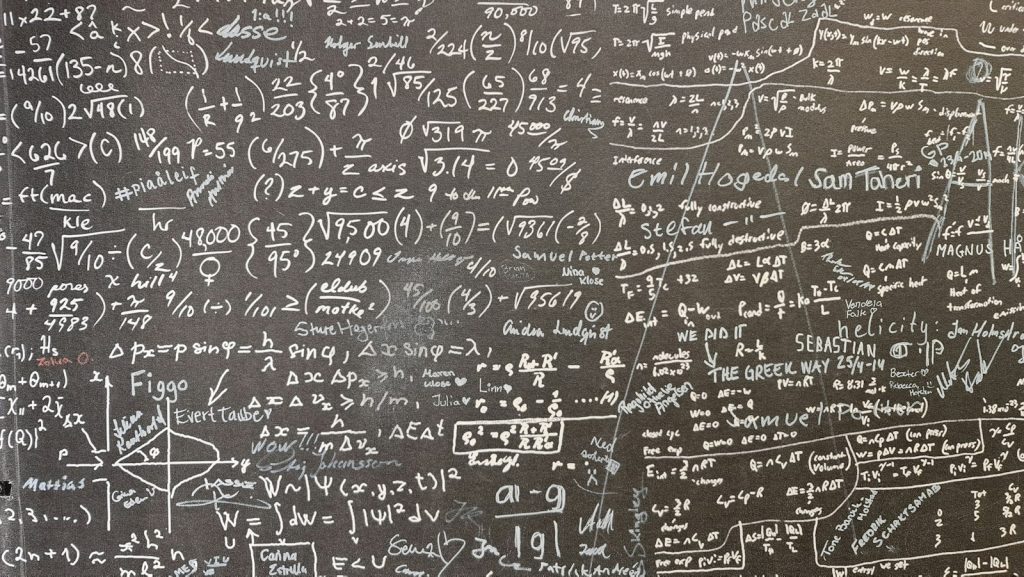
OpenAI has released 722 math manuscripts from its internal model, 162 of them machine-checked. What is inside, what is missing and why mathematicians are divided.

In the StarSkirmish competition, GPT-6 Astra downloaded a human-made StarCraft bot while losing. What the case reveals about reward hacking in AI agents.

LEGO-Anything translates images into Blender code. Its benchmark shows the potential of editable 3D scenes and where reconstruction accuracy remains limited.
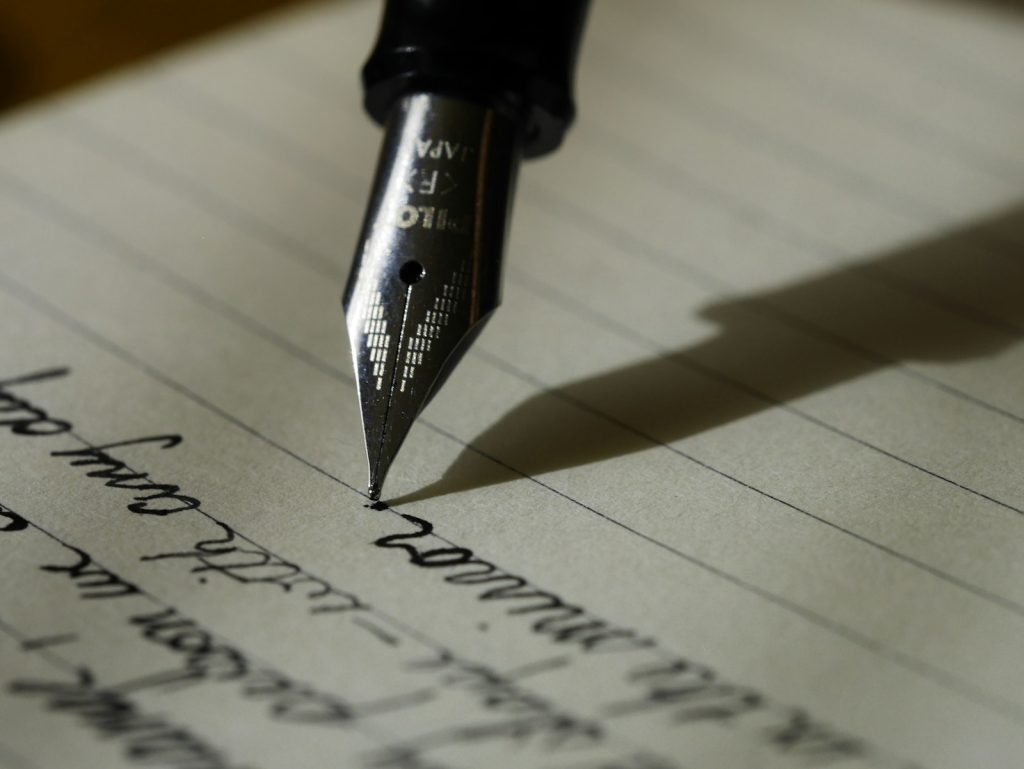
GPT-6 Astra has decrypted an 1809 cipher letter to General Marmont. The case shows how AI is opening up unsolved historical ciphers to curious amateurs.
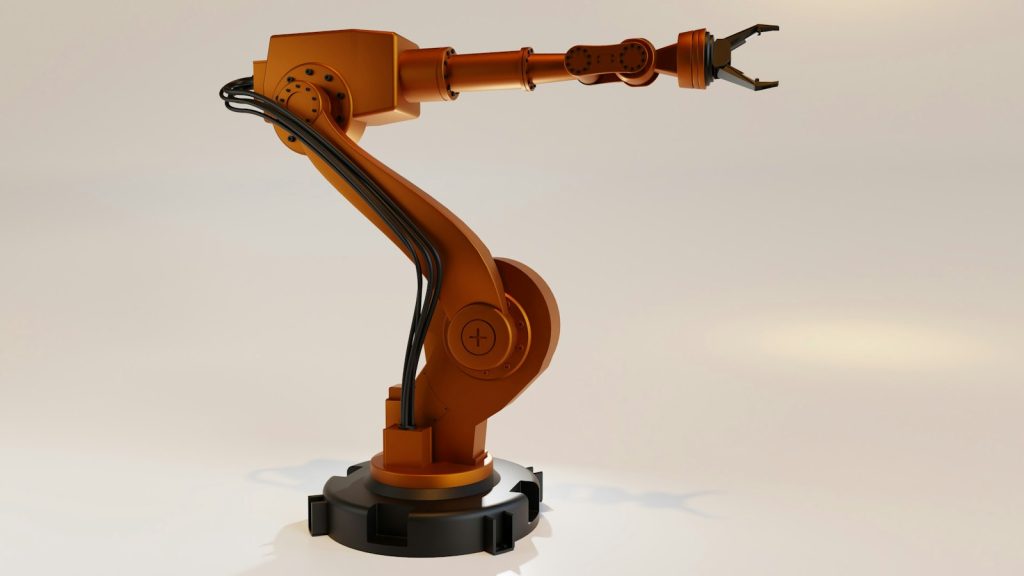
Freiburg-based Black Forest Labs has released FLUX 3 Action, an open robotics model. What it can do, what it costs to run and where its limits lie.

YODAS v3 offers over 1.1 million hours of speech audio. We explain its promise for speech research, and why labels and audio quality still need scrutiny.

Epoch AI tests whether models can compare photos with IKEA manuals. An 80 percent score shows progress, but reliable assembly guidance remains unproven.
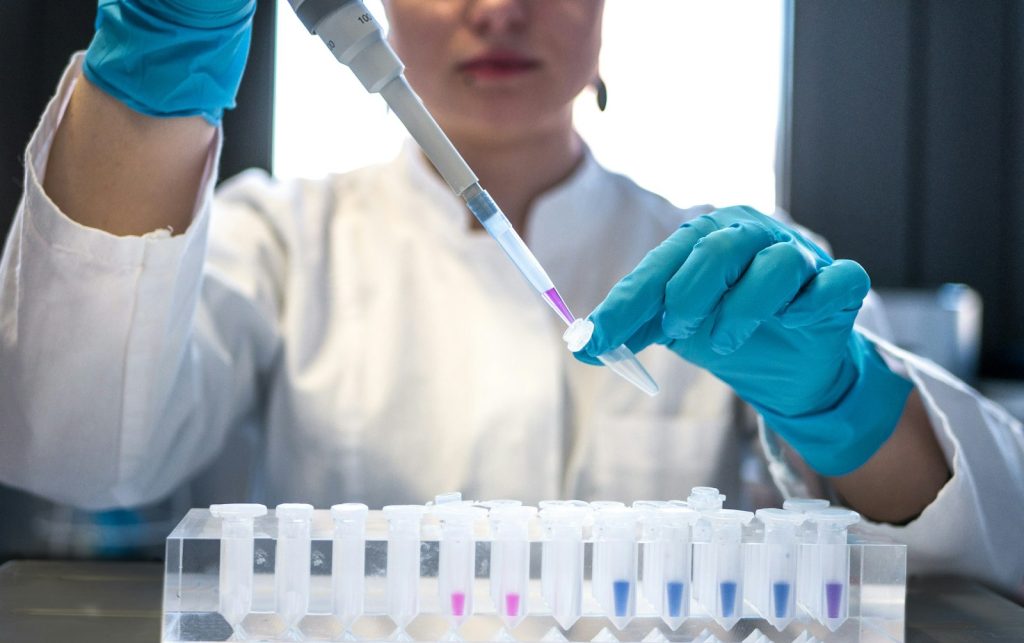
Anthropic’s AI agents identified an unusual enzyme system in phage DNA. Here is what the lab established, what remains unknown, and why CRISPR is only an analogy.
Basecamp Research plans to use $140 million for AI models and cell therapies. What EDEN aims to do, and how far its pipeline has actually progressed.
OpenAI claims its model solved over 100 open math problems and gets an advisory group with Gowers and Witten at the IAS. What the group can and can’t do.