

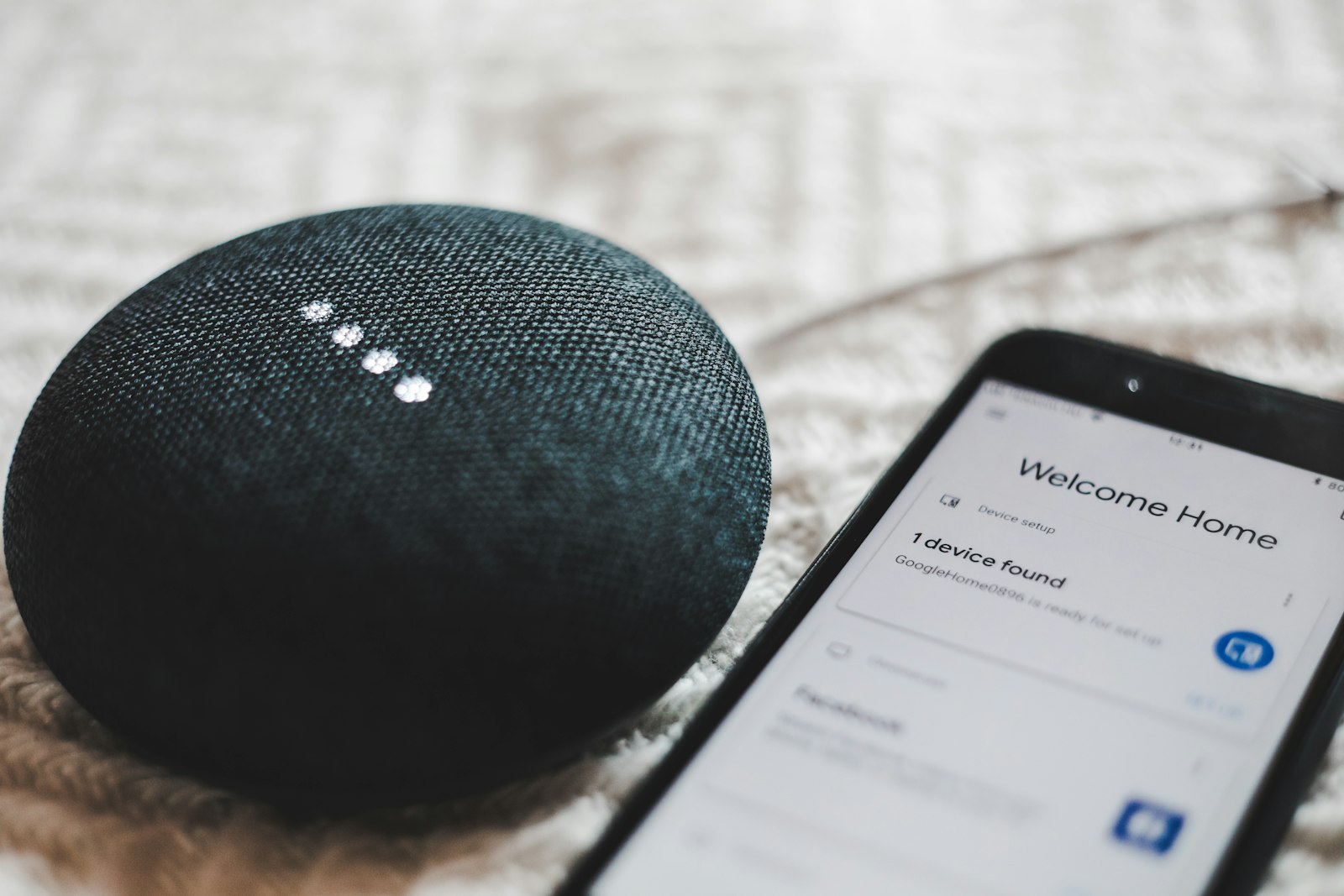
Apple wants to turn Siri AI into an assistant that understands current information and can use personal context. The Wall Street Journal, as reported by heise, says Apple is considering new agreements with publishers to use their content in Siri AI. Apple has not publicly confirmed those discussions. That makes the issue behind the headline worth examining: better sources can improve answers, but they do not automatically turn a voice assistant into a reliable news product.
Key takeaways
- According to a Wall Street Journal report, Apple may be discussing the use of current publisher content for Siri AI.
- Apple introduced Siri AI in June as a context-aware assistant that can draw on information from the web.
- Licensed sources can provide clearer rules for attribution, freshness, and compensation than indiscriminate web scraping.
- For users, transparency, clear citations, and honest handling of uncertainty matter more than a confidently phrased Siri response.
A report, not a confirmed deal
The starting point is limited but plausible. The Wall Street Journal reports that Apple may pay publishers for content that could help Siri AI with current news and information. The report does not describe completed agreements, and Apple has not announced any such contract. It would be premature to treat a new news platform as a settled plan. For now, the subject is possible licensing arrangements for an assistant that is expected to launch more broadly this fall.
It does fit Apple’s direction so far. At its developer conference in June, the company presented Siri AI as a more conversational assistant able to understand on-screen information, search messages and emails, and draw on knowledge from the web. Reuters also reported that Apple relies on Google Gemini technology for parts of its AI strategy. A general-purpose model alone is still not enough for answers about current events. It needs sources that are reliable, timely, and traceable.
Why paid content appeals to Apple
The web has abundant information but weak sorting. Search engines and chatbots often find the text that is easiest to retrieve, not the text that was checked most carefully. News adds a second problem: an article can be accurate and still be out of date. A licensing agreement could give Apple a defined corpus, clear rights, and likely technical feeds with timestamps, corrections, and bylines. For an assistant, that is more valuable than an arbitrary collection of search results.
Publishers, in turn, could gain a revenue source that does not depend entirely on clicks. But the familiar risk remains. If Siri reads the answer directly, the route to the original article can become shorter or disappear. A fair agreement would need to do more than compensate access. It would need to show where information came from, when it was published or updated, and how users can reach the original reporting. Without that connection, a publisher’s brand becomes an invisible raw material supplier.
Quality is more than a trusted name
A deal with well-known media outlets would not make every answer correct. News differs in speed, domain expertise, and update cadence. A licensed article can rely on preliminary information or later be corrected. Siri AI therefore needs to do more than possess sources. It needs to select them appropriately, flag contradictions, and use cautious language when facts are uncertain. For breaking news, a clear timestamp is more useful than a smooth answer with no caveat.
That is especially important because Siri AI is meant to work with personal context. Reuters describes functions that use on-screen material as well as information from messages and emails. Two separate trust questions meet there. Can the assistant interpret private information correctly? Can it support external information with sound evidence? Apple emphasizes protection of personal data through on-device processing or its own cloud infrastructure. Better news licenses do not answer that privacy question. They only add an editorial source to it.
Another business model for Siri
The possible publisher talks arrive while Apple is also considering how to finance Siri AI. Axios reported in late July that CEO Tim Cook had suggested iCloud+ upgrade options for intensive users. Computing capacity, partner models, and high-quality content cost money. The idea of a free assistant that is always current has always been convenient. It was never especially realistic economically.
A mix of iCloud+ upgrades and licenses would have consequences for users and media companies. For Apple, it could support a higher-quality premium experience. For publishers, the key questions would be whether payment is based on use, reach, or a fixed fee, and whether smaller specialist publications have a realistic chance to participate. A few large brands cannot fully cover local stories or expert knowledge. In technology, science, and politics, variety often determines whether an assistant merely sounds polished or genuinely informs.
What users should demand
The most interesting feature would not be Siri’s ability to summarize an article. It would be an answer that shows its limits: source, timestamp, a link to the original report, and a warning when the situation is disputed. People asking about a current story should not have to guess whether Siri is using a press release, an outdated text, or original reporting. Apple’s possible fees for intensive AI use raise the same basic question: what exactly are people paying for?
If Apple reaches publisher deals, that would move the company away from the assumption that the open web is free fuel for every assistant. It would not end AI mistakes or replace critical reading. But it could be a sensible framework if Apple keeps sources visible, incorporates corrections quickly, and does not let original journalism disappear behind a friendly Siri voice. That is how we will know whether more content has become better information.