

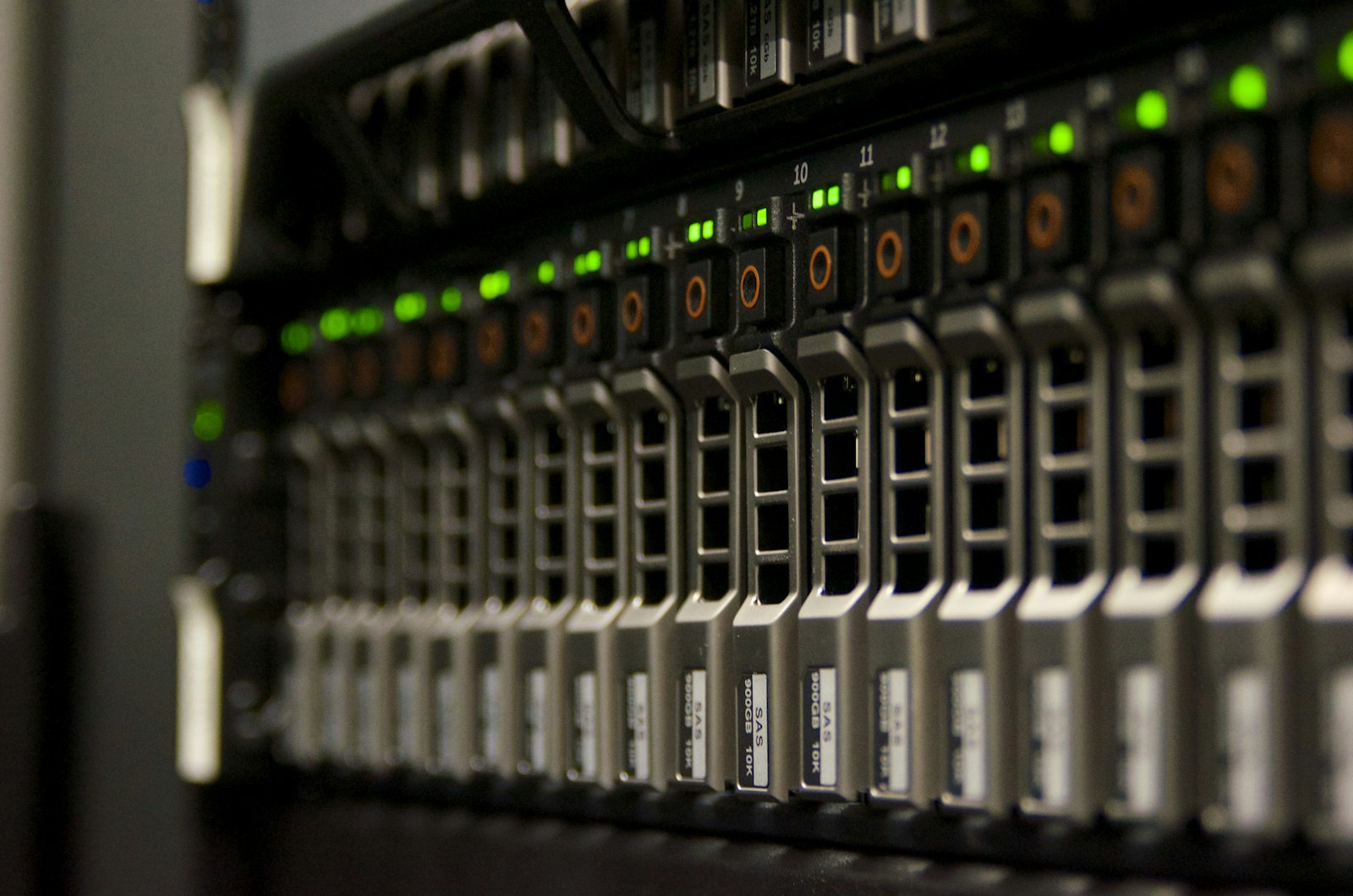
Anthropic has committed to spending $11.6 billion on Akamai cloud services over seven years. What stands out is less the amount than what is being bought: not graphics chips for training new models, but capacity on conventional processors. The contract shows where infrastructure is heading now that AI models no longer just answer questions but act as agents that run code, open web pages, and operate tools on their own.
Key takeaways
- Anthropic is committing $11.6 billion to Akamai over seven years, expandable by up to $9 billion to roughly $20 billion.
- According to Akamai, the deal serves Anthropic’s fast-growing need for CPU computing power, meaning conventional processors rather than graphics chips.
- In return, Anthropic receives a warrant for up to about 5 percent of Akamai’s shares at $111.33 per share.
- Akamai will invest about $5.5 billion to deliver, and it does not expect meaningful revenue until the second half of 2027.
- The deal fits a broader industry shift: AI agents move work from the GPU to the CPU, and server processors are already scarce.
What the contract says
Akamai disclosed the agreement on September 24 in a filing with the U.S. Securities and Exchange Commission. In it, Anthropic commits to $11.6 billion in cloud spending over seven years. The partners can expand the scope by up to another $9 billion, which would bring the total to about $20 billion. It is the largest contract in Akamai’s history and more than six times the $1.8 billion first deal between the two companies that Bloomberg reported in May.
The consideration is unusual. Akamai is granting Anthropic a warrant, the right to buy shares later at a fixed price: the equivalent of about 7.7 million shares, or up to roughly 5 percent of the company, at $111.33 each. About 2 percent is tied to the $11.6 billion now agreed, and each additional $3 billion in purchases unlocks roughly another percentage point. TechCrunch, citing Bloomberg, reports that this is the first time Akamai has attached such a stake to a cloud contract. The industry knows the pattern from AMD, which tied OpenAI to itself in a similar way last year.
The contract is not a blank check, though. According to the SEC filing, the commitment depends on Akamai meeting delivery and availability requirements, and either side can terminate under certain conditions. Akamai expects capital spending of about $5.5 billion, including roughly $1.7 billion more this year to lock in scarce components such as memory ahead of time. Akamai signed a hardware supply agreement with Lenovo for this purpose on September 23. No revenue will flow in 2026; for 2027, Akamai expects $150 million to $300 million, and an annual run rate of about $1.7 billion by the end of 2028. Investors reacted strongly: the stock rose as much as 17 percent in after-hours trading, and other reports put the gain at more than 20 percent.
Why agents need processors, not graphics chips
Neither Akamai nor Anthropic has said exactly what the computing power will be used for. The press release only refers to Anthropic’s “accelerating CPU workload demands.” The industry context makes the direction fairly clear, however. A language model itself runs on graphics chips, but everything an agent does around it is handled by conventional processors: running code in an isolated environment, loading a web page, searching files, calling an API, and passing the result back to the model.
AMD executive Madhu Rangarajan told IEEE Spectrum in August that, in the company’s own testing, seven of the eight stages in realistic agent pipelines run entirely on the CPU. The market research firm TrendForce puts today’s ratio of processors to graphics chips in AI data centers at roughly 1:4 to 1:8 and expects it to shift to between 1:1 and 1:2 in agent deployments. According to TrendForce, the chip designer Arm expects demand to quadruple from about 30 million CPU cores per gigawatt of data center capacity to 120 million.
The market is already feeling it. According to IEEE Spectrum, Intel has sold out of server processors through at least the end of the year, and AMD has doubled its server CPU forecast. For Anthropic, whose coding tool Claude Code and agent features rely heavily on this kind of tool use, a dedicated, long-term pool of CPU capacity is therefore more than a footnote. Akamai contributes a globally distributed network with thousands of locations that was originally built to deliver web content quickly.
Part of an unprecedented buying spree
The Akamai contract is only one piece. According to reporting by The Information, Anthropic has signed data center agreements worth up to $517 billion in the eleven months since October 2025, securing at least 14.8 gigawatts of capacity. In August alone, it added a $45 billion deal with the cloud provider Nscale. Revenue shows the scale of these sums: Bloomberg most recently put Anthropic’s annualized revenue at more than $65 billion.
Anthropic CEO Dario Amodei described the risk of this strategy himself on a podcast in early 2026. Anyone who buys $1 trillion of computing power that comes online at the end of 2027 and then makes only $800 billion in revenue goes bankrupt, he said, with no hedge that could prevent it. Some competitors, he added, do not understand the risks they are taking. Against that backdrop, the current contracts sound contradictory. But they are structured differently from a single giant purchase: the Akamai deal is staged, tied to delivery conditions, and only partly firm. As with OpenAI’s $278 billion bill, the headline figures are ceilings spread over many years, not payments made today.
The timing remains awkward. Only a few weeks ago, Anthropic publicly called on the industry to take a more measured pace at the frontier, as we described in our piece on the new safety pacing. At the same time, the company is securing one of the largest compute reserves in the industry. That is a contradiction only at first glance: training new frontier models more slowly and building more capacity to run existing models are not mutually exclusive.
What the deal reveals about the next phase
The most interesting lesson from the contract is not about Anthropic but about where bottlenecks will emerge next. As long as AI mainly generated text, everything hinged on Nvidia’s graphics chips. Once agents work through tasks on their own, test code for hours, and research the web in parallel, the unassuming CPU becomes the bottleneck. That benefits companies few people considered AI firms until now, such as Akamai.
For users of Claude and other agents, this is good news with a delay: more secured processor capacity should eventually mean shorter wait times and more generous usage limits for compute-heavy agent tasks. Nothing changes in the short term: Akamai does not expect revenue from the contract until the second half of 2027, so the capacity is likely to come online only then. Whether Anthropic ultimately draws on the committed billions depends on a single variable: whether demand for agents grows as fast as the company assumed when it went shopping.
Sources
- Akamai (SEC Form 8-K, Exhibit 99.1): Pressemitteilung zum Anthropic-Vertrag
- TechCrunch: Anthropic to pay Akamai $11.6 billion over seven years in cloud deal
- Quartz/Yahoo Finance: Akamai signs $11.6 billion cloud services deal with Anthropic
- The Decoder: Anthropic schließt Cloud-Deal über 11,6 Milliarden Dollar mit Akamai ab
- The Decoder: Anthropic reportedly signs $517 billion in compute deals
- The Decoder: Dario Amodei über die Risiken großer Compute-Käufe
- IEEE Spectrum: The CPU Comeback Is Upon Us
- TrendForce: How Agentic AI Is Reshaping the CPU:GPU Ratio