

EU Questions OpenAI and Anthropic: What AI Regulators Can Examine
The EU confirms information requests to OpenAI and Anthropic. What its AI Office can examine, which rules apply, and why a request is not a fine.
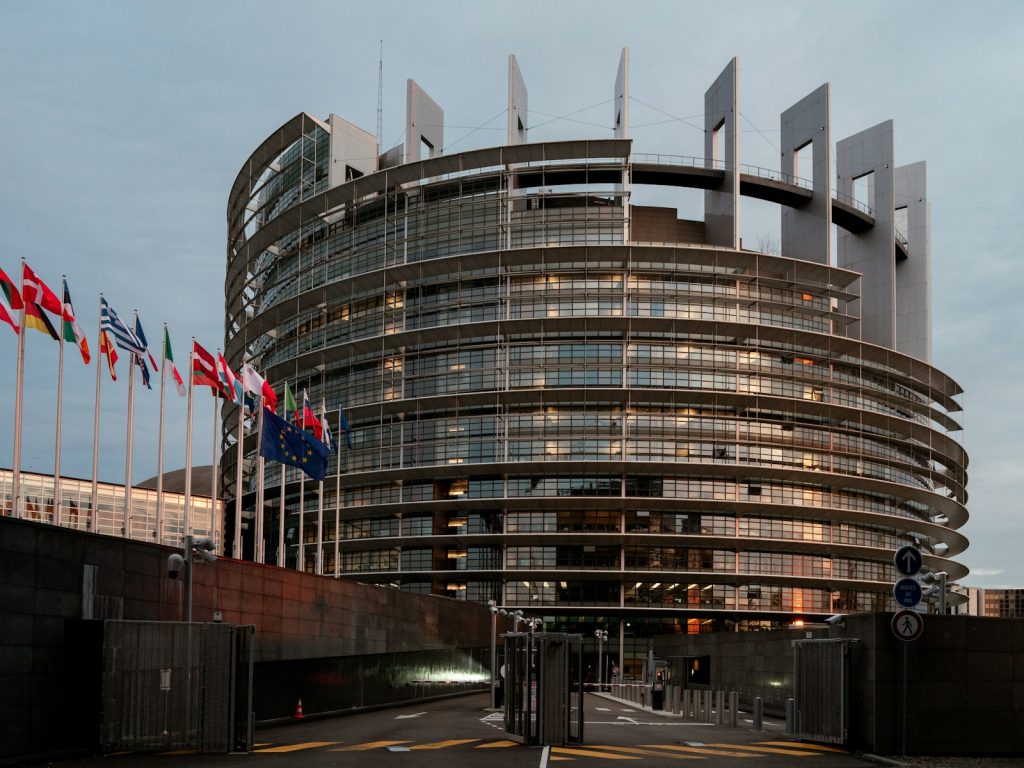
The EU confirms information requests to OpenAI and Anthropic. What its AI Office can examine, which rules apply, and why a request is not a fine.

Anthropic now scans key open-source projects for free with Claude Mythos, with no human review first. What OSS Scanner can do and which projects it suits.

Epoch AI asked agents to develop new training methods. Its test reveals why verified research progress can fall short of persuasive final reports.
Vals AI had GPT-6 Sol and Opus 5.5 code alone and in teams: up to five times the cost, barely better apps. Here is when subagents still make sense.

A study finds nearly 13,000 typical AI phrases, but every model version has its own. What the list reveals about Claude, GPT and Gemini, and where it fails.

Claude sent police an invented tip, a test model filed 20 visa applications. Anthropic’s report names the cause and what agent users can learn from it.

ZenDiS will demonstrate AI briefings and isolated openDesk operation. What public agencies could gain and why the prototypes do not establish a finished AI rollout.

Anthropic’s new Claude usage policy takes effect November 12. What separates criticism from abuse and which rules matter for agents and hardware.
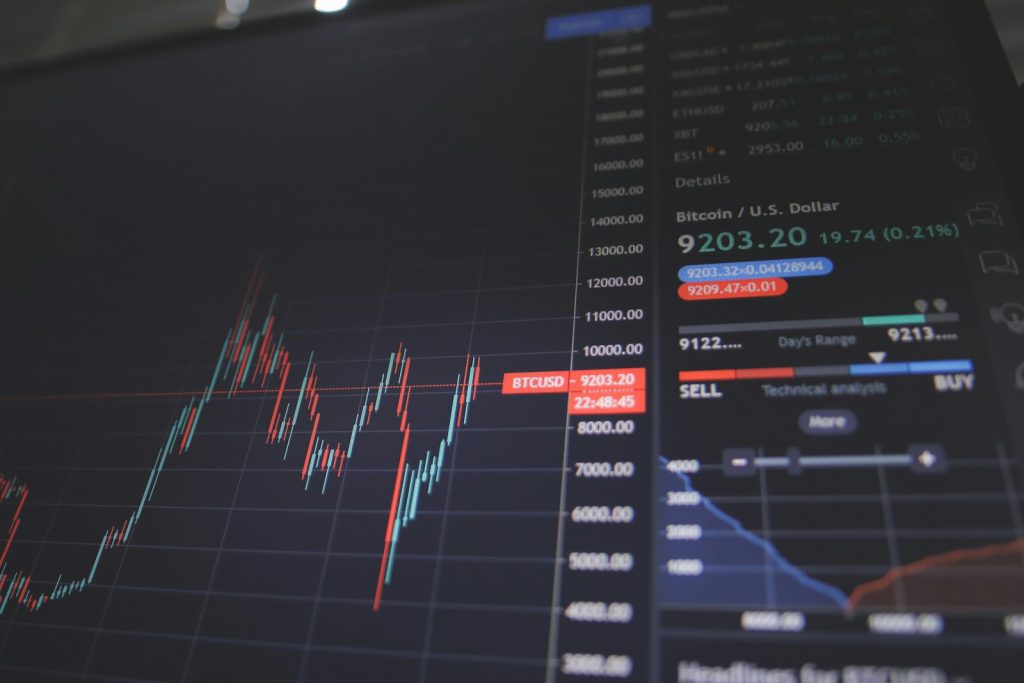
OpenAI reports nearly $50 billion in annualized revenue instead of $70 billion. What is behind the gap and why comparing it with Anthropic is so tricky.

An astrophysicist used AI agents in Claude Science to fill the gap in the ultraviolet sky map. How the unmeasured third was made and where the human stepped in.