

REA: How AI Agents Now Take Software Apart, and What’s Allowed
The open-source project REA lets AI agents examine finished programs down to machine code and has 200,000 GitHub stars. What it can do and where the limits are.
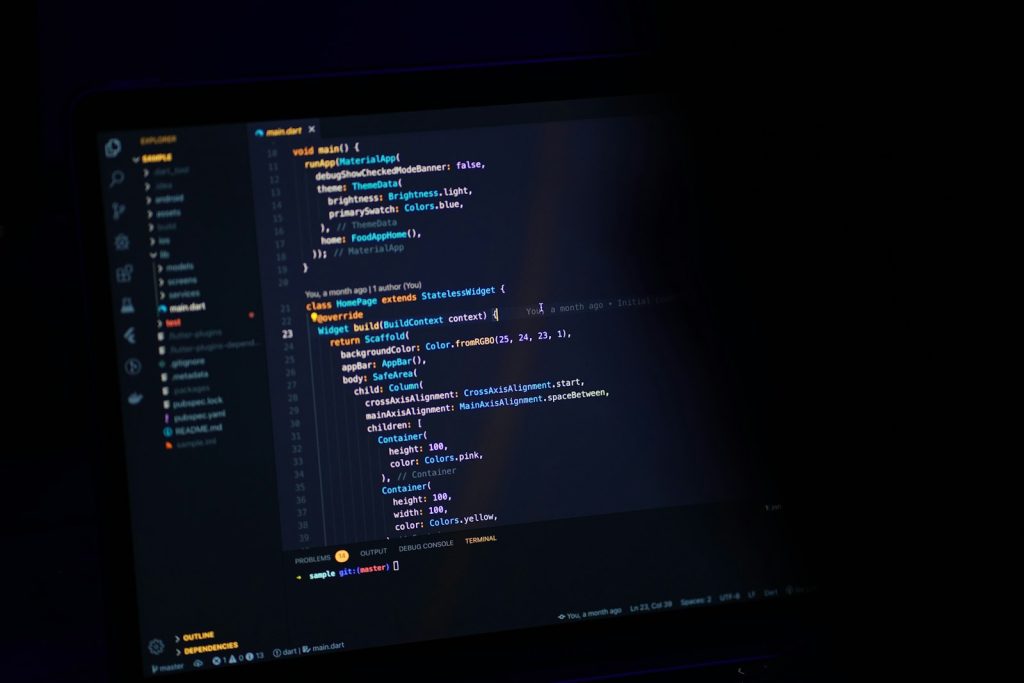
The open-source project REA lets AI agents examine finished programs down to machine code and has 200,000 GitHub stars. What it can do and where the limits are.

Google’s frontier model Gemini 4 Argon is now open to AI Pro and Ultra subscribers. What the new Tasks mode brings and why developers should plan for November 30.

PhotoCraft rebuilds Photoshop as open source with AI agents and has 57,000 GitHub stars. The project’s own numbers show how far along it really is.

Meta unveils Muse Wonder: fourth place on an independent AI index and strong coding scores. What it costs, the data-privacy catch, and what it means for Europe.

Anthropic now scans key open-source projects for free with Claude Mythos, with no human review first. What OSS Scanner can do and which projects it suits.

ZenDiS will demonstrate AI briefings and isolated openDesk operation. What public agencies could gain and why the prototypes do not establish a finished AI rollout.

The AI week: GPT-6 arrives in ChatGPT, Claude Haiku 5.5 cuts prices, mathematicians push back against OpenAI, and Europe adds open models.

Claude Dashboards connects data sources and exposes the queries behind metrics. How teams can get started and what matters for data access and costs.

NVIDIA connects AI agents with Omniverse. What the simulation examples show, how developers can get started, and why small experiments matter.
GPT-6 brings Intelligent UI to ChatGPT: answers with charts, buttons, and small tools. What is new, who gets it, and where it still falls short.